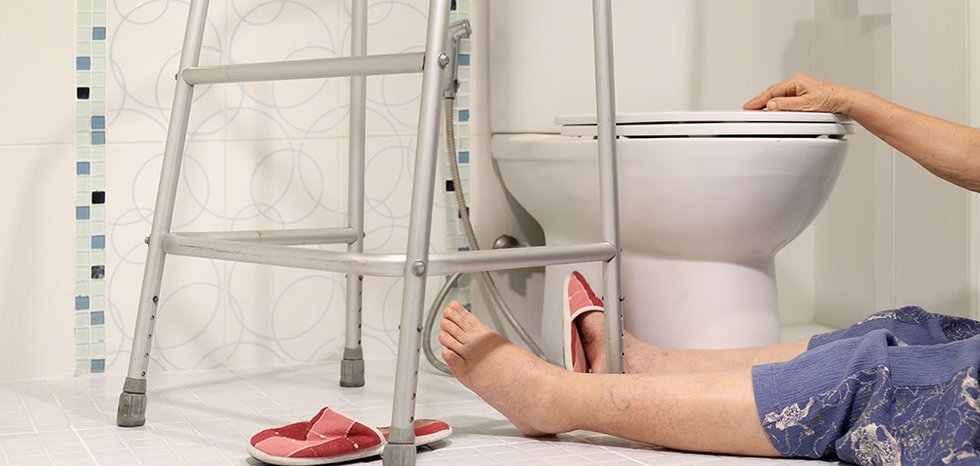
Mobility

Mobility Articles for Caregivers

A Caregiver’s Gift
My husband Marty has to take a combination of eight different drugs seven times a day; this is in addition to routine vitamins. Each morning, I set them up in a pillbox so that there is no confusion about the schedule. Read more

Aging in Place: A Real Choice
Consumers who plan to age in place should take proactive steps to modify their homes while they are still financially and physically able. Read more
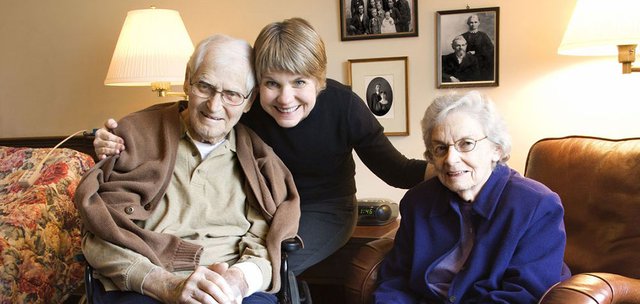
Home Modification Checklist
Here's a list to get you thinking about home modifications that can help your loved one stay safe at home longer and age in place. Read more
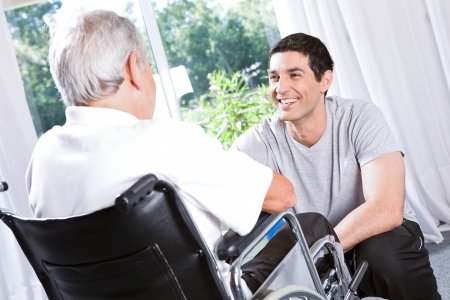
©Cathy Yeulet /123rf.com
Wrestling with Care
Caregiving in America is in great demand, from adult foster home owners offering familiar surroundings, to assisted living center staff patrolling hallways to answer assist request buzzers and lights. Read more
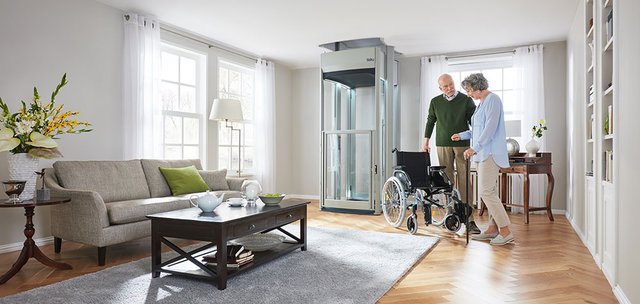
Home Elevators Supporting a Caregiver Environment
In-home non-medical care can immediately enhance lifestyle, improve independence and take pressure off the main caregiver. Read more

Nathaniel Washington Story
One man’s inspirational account of his personal struggle to cope with and overcome the obstacles of living with a spinal cord injury to lead a productive life in his community. Read more

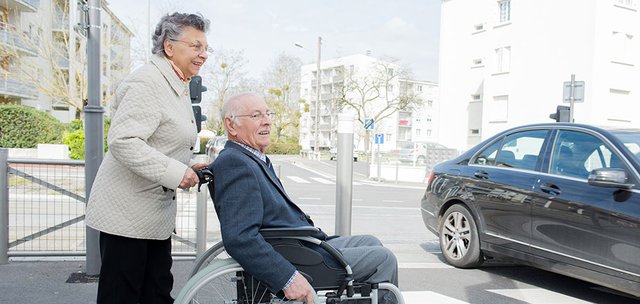
Holiday Visits: Great Time to See if Mom Needs Assistive Aids
If you don’t live near your aging parents, holiday visits are a great time to observe your parents’ behaviors and physical capabilities to see if they need more help performing daily activities. Read more
©auremar /123RF.COM
5 Wheelchair Van Shopping Tips for Caregivers
If you’re the caregiver for an individual who uses a wheelchair, owning a wheelchair accessible van is helpful and can be more affordable with these tips. Read more
Chris Schmidt
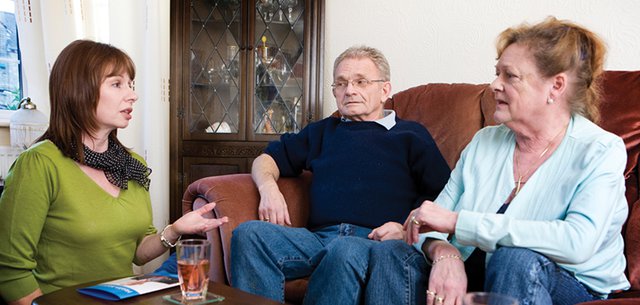
Steps to Help Seniors See the Need for Home Modifications
There are questions caregivers face on a daily basis. How do we balance between too much and too little care? How do we balance what we think needs to be done with what might be most helpful? Read more
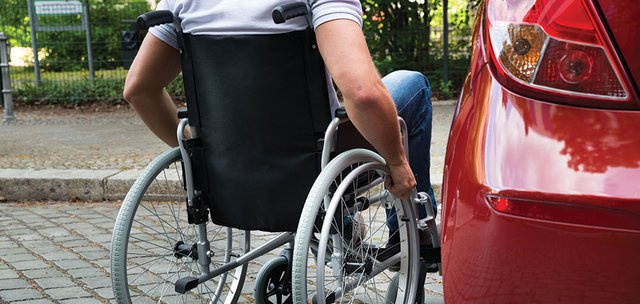
Funding a Wheelchair Accessible Vehicle
For most individuals seeking freedom and mobility, financial struggles can make things harder when trying to fund an adaptive vehicle. Read more

Thanksgiving with Dysphagia
Thanksgiving is the holiday most focused on gathering around the table with family and friends to share a sumptuous feast. My father-in-law, Rodger, was never one to miss a meal. Read more

The 411 on Parkinson's
Receiving a diagnosis of Parkinson’s disease (PD) can be devastating for families. Even more devastating is not understanding the disease, how to live with it, how it can be treated, or anything else about this debilitating disease. Read more

© Iakov Filimonov @123rf
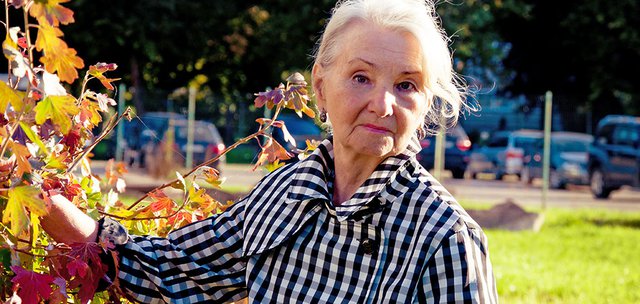
Tears In My Coffee
I had a suspicion that there was something awfully wrong with my husband. Read more
©Ninel Naidiuk /123RF.COM
Coping with the Emotional Aspects of Parkinson's Disease
It is important to examine the various emotions that a person living with Parkinson’s disease (PD) can undergo in living daily with the condition. The emotional factors that affect your loved one can be both internal and external. Read more
© Ian Allenden @123rf
Mothering and Daughtering
She is standing at the kitchen sink ready for church: flowered skirt, knit top, matching blouse, stockings, comfortable shoes, makeup. It must have taken her a good three hours, but she is ready to go. Read more

Parkinson's Disease with Dementia - Special Challenges
In the U.S. today there are more than one million people with Parkinson’s Disease (PD). Approximately 50,000 new cases are diagnosed annually. PD is a progressive movement disorder that affects the central nervous system. Read more
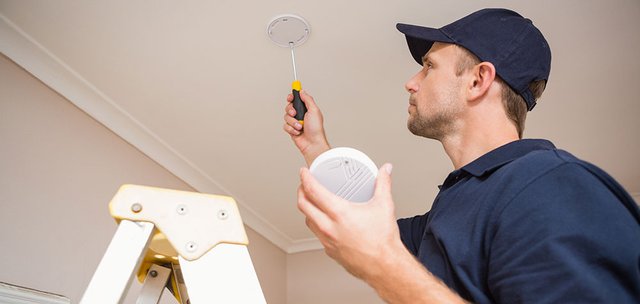
Home Safety Tips
Suggestions to help keep the home safe, Read more
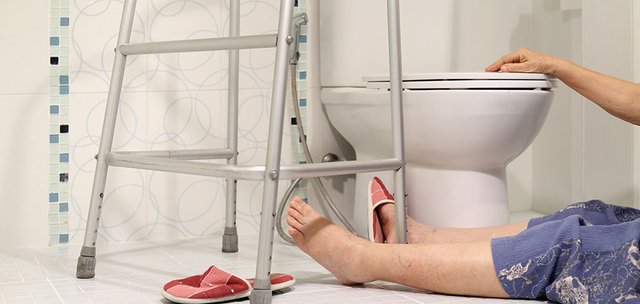
Keeping the Bathroom Safe for Elderly Seniors
The bathroom is routinely cited as the most dangerous room in the house for seniors. Countless slips and falls occur in the bathroom, causing a difficult (and sometimes embarrassing) situation for families. Read more
Charting Your Course with Parkinson's Disease Care
Caring for a loved one with Parkinson’s disease at home present an unpredictable course and caregivers must continually seek solutions and a positive direction for the care they provide. Read more
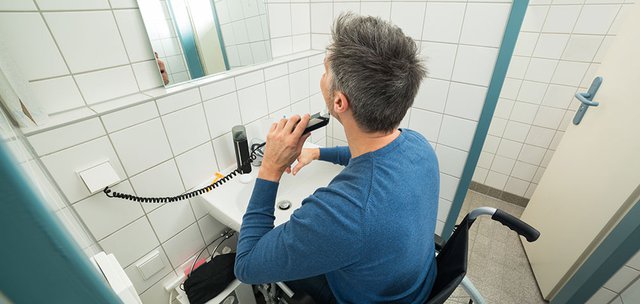
Successful Bathroom Transfers
Statistics show that many preventable accidents occur in bathrooms. Falls are the top culprit in this category. Wet floors and small spaces. Wet floors and small spaces are only some of the causes for concern in a bathroom setting. Read more