
Cancer

Cancer Articles for Caregivers

©Katarzyna Białasiewicz /123RF.COM
The Trouble with Hope
I had a strained relationship with hope before my wife was diagnosed with cancer. To me, hope was a high waiting for a low, a fix with a nasty flip-side. Read more

© Jean-Paul @123rf
Caregiving by Men: A Husband's Perspective
The formal diagnosis of ovarian cancer was confirmed after seven hours of surgery at Boston’s Brigham and Women’s Hospital. Read more

Marilu Henner, A Truly Fearless Caregiver
Marilu Henner is a five-time Golden-Globe nominated actress who was a caregiver to her husband, diagnosed with bladder cancer. She sat down with Editor-in-Chief, Gary Barg for a wide ranging discussion about cancer and being a caregiver advocate. Read more
4:00 PM

Cathy Yeulet
When Your Caregiving Days Are Over
I am a facilitator of a Cancer Caregiver Support Group in Ohio. In the course of our meetings, several topics surface. One that got my attention most recently was: How a caregiver moves on once their caregiving days are done. Read more

Photo by Andrea Piacquadio from Pexels
Cancer Caregivers: Their Worries and Sleep Problems
A loved one’s cancer diagnosis is life-changing, for them and for you. Even when you’re willing and able to become the primary caregiver, the reality is that the demands of caregiving can have a profound effect on your health. Read more

The Only Child Caregiver’s Career
I am one among millions of statistically likely only-child caregivers working on my own to provide care within the caregiving community. Read more
Two Relationships in One
To be entrusted with the care of another human being is one of the greatest honors that can be bestowed on you Read more
Keeping an Eye on Long-Term Health while Managing a Cancer Diagnosis
I remember hearing the doctor say to my husband, “You’ve got cancer,” and immediately wondered if I had misheard those words. Cancer diagnoses can result in many emotions for caregivers. You may struggle for another breath, cry... Read more
Katarzyna Białasiewicz @123rf
A Terminal Diagnosis Does Not Terminate Living
When my father began our phone conversation with the words, "Are you sitting down?" I knew the news to follow would not be good; but I never in my wildest dreams imagined he would tell me my 73-year-old mother was terminally ill... Read more
James Gathany
Caregiving through a Doctor’s Eyes
Caregiving is universal. It knows no boundaries of age, race, religion, profession or economic status. Caregiving will touch all of our lives at some point along the way. Read more
© Katarzyna Białasiewicz@123rf
Effective Pain Management
Effective pain control improves the individual’s state of mind and ability to move through the healing process. There are a variety of options for pain control and doctors work toward addressing side effects that can occur with pain medications. Read more

Akhararat _Wathanasing
The Art of Cancer Caregiving
A cancer diagnosis is incredibly stressful for the person receiving the diagnosis. But those caring for the patient, both informally and formally, also experience stress, which can affect their own health and the patient’s outcome. Read more

Melanoma Risk Factors
If someone you know or a family member is diagnosed with melanoma, the most dangerous type of skin cancer, you might wonder if you are at risk as well. Melanoma is when skin cells called melanocytes grow out of control and become cancerous. Read more

© irinacapel @123rf
Comfort Zones Are Overrated
It’s all my husband’s fault. Because of his cancer diagnosis, I’ve had to take up hiking tall mountains, eating more nutritiously and stepping outside my comfort zone. Read more
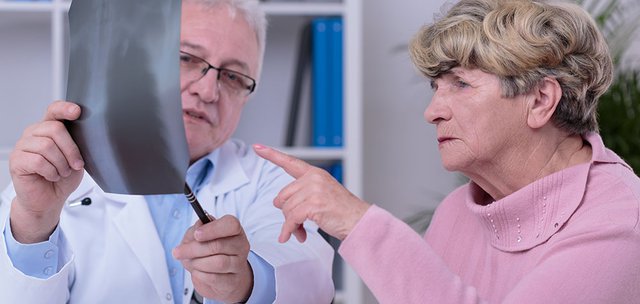
Lung Cancer Care
Coping with the diagnosis of cancer is only the beginning of the journey. The entire process of diagnosis, treatment and changes in lifestyle are day by day hurdles for both caregiver and loved one. Read more

Why Do We Attend Support Groups?
Especially after having gone through a life-threating illness? Do we want reminders of what may have been a difficult time for us? Apparently, we do. Read more

Laundry Night
“I had a dream last night about water,” my mother says as we dice cantaloupe and brew our morning coffee. “I woke up with wet sheets.” Read more
16 Stress Reduction Strategies
The following coping strategies have helped me in my attempts to live a balanced life. Because caregiving is such a universal task, faced by nearly all of us at one time or another, I hope you find these strategies helpful as well. Read more
Sun Protection More Important Than Ever
In a recent survey of more than 1,000 U.S. adults, the American Academy of Dermatology found that while respondents gave themselves high ratings for sun protection and most reported that sun protection is more important to them now than... Read more
fizkes@123rf
How is Hospice a Good Thing?
She looked intelligent, tired, strong, defiant, and wounded. She opened the front door enough to let me see her while tightly guarding the entrance. She said, “My friend told me hospice was a blessing – a ‘good’ thing. How in God’s name can my husban Read more


